
Copper mining in Viehhofen
Copper mining in Viehhofen has a long, almost traditional history, which can be proven to have started in the Early Bronze Age and lasted until the First World War. The coveted metal was mined in Viehhofen in various periods of time, as evidenced by several finds and excavation reports.
With the advent of metals and the many physically demanding jobs to mine them, a division of labor developed among the Celts and a hierarchically structured society.
The Ambisontes a Celtic tribe, which had its tribal center at the Biberg and belonged to the kingdom of Noricum, was native here in Viehhofen. In the Old Bronze Age around the years 1000 - 700 B.C. The oldest finds in Viehhofen come from this time.
The people lived between the Saalach and the Salzach, today's Pinzgau. The name "Ambisonte" is derived from the name Isonta, the Salzach. The name lives on until today in the term Pinzgau, which was called Bisontia in the Middle Ages. Among other things, the Ambisonte also operated copper mining in what is now Viehhofen. Since copper is seldom found in its pure form and tends to be bound in ores, the process of separating copper from rock is a lengthy and labor-intensive one.
To do this, the Ambisonts searched the area for ore outcrops or even mineralized rock. They found them in streams or gullies as well as in the high forests around Viehhofen. In creeks they found similar to gold panning with safety troughs or by means of mud trenches.
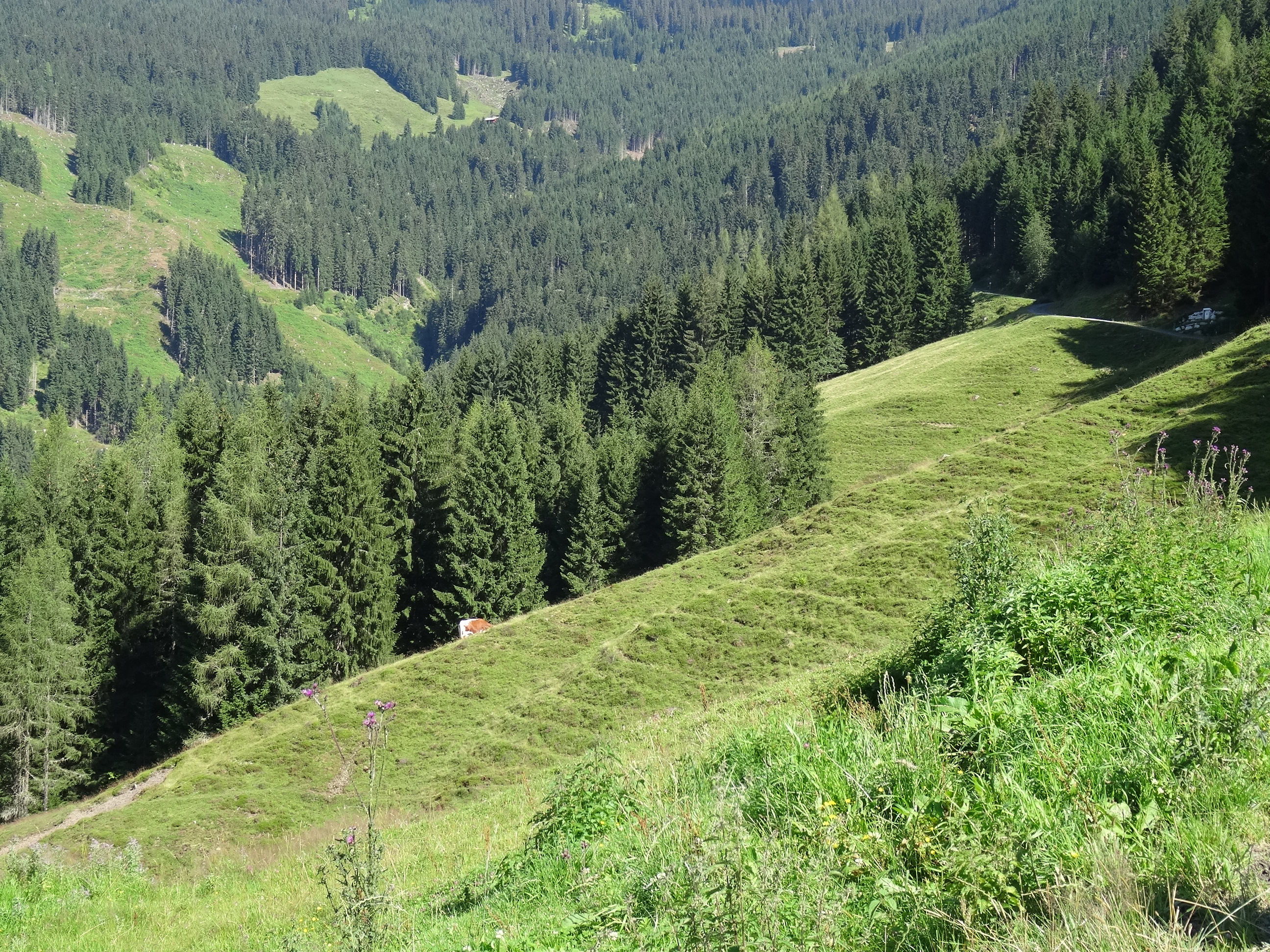
Most of the ore extraction by breaking out the ore from the outstanding rock, today's pits found. The fire-setting method was also used, whereby the wood fire heated the rock strongly and the people then cooled it quickly with cold water. This was used to create cracks in the rock so that it could then be broken out more easily. With the equipment available at the time, this was still an immense effort.
Heavy bedrock blocks were salvaged from the Saalach River. These blocks with a diameter of up to 40 cm had a dent about the size of a fist. The Celts dragged these to the ore sites. With another fist-sized spherical tapping stone, they crushed the mined raw ore lumps at the sites. In the process, they separated the raw ore from the rest of the rock, which remained heaped up on the stockpiles that still exist today. In the second step, rubbing stones were used to crush the walnut-sized raw ores to grain size, which were then roasted in furnaces. The ore rock was heated in these furnaces, and in the subsequent steps the copper was smelted into black copper. What remained was the slag from the smelting process.
These smelting sites can still be recognized today by the slag residues.
1877
Furrow pits created by surface mining are also visible to this day, and can be found above all on the Altenberg and on the Wirtsalm on the slope of the Sausteigen. But also at the Tennstallalm, Kressbrunn, Weberalm up to the Rehrenbergalm above the Wirtsalm the smelting sites can be explored. On the Raggensteinalm below the Geierkogel you can find decayed tunnels, recognizable by the smoke shafts for the fire settling, which can be seen every few meters. Between the fiefs of Oberarzbach and the Hecheralm in the Arzbachgraben at 1300 meters above sea level is a larger smelting site as well as sand slag can be found on the way to the Weberalm. There are also large lumps of raw slag on the Gorialm south of the Sausteigen.
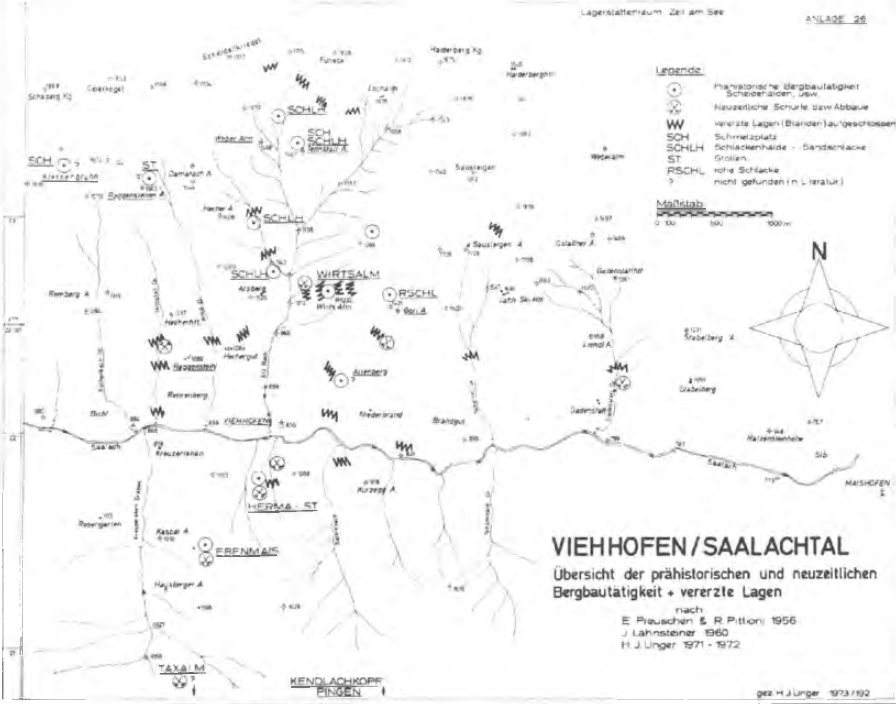
In 1877, Dr. Ernst Preuschen, the expert in prehistoric mining, discovered most of these smelting sites during numerous inspections and years of searching.
Opposite is the Burgstein, a mining area at a height of 20 m southwest of the village square which is now covered by forest, in the section called the Stoffentax is a large complex of ground, collapses and pits, here the mountain is hollowed out, undermined and therefore the surface repeatedly collapsed. On the saddle near the Kendlachkopf above the Stoffentax are numerous funnel-shaped pits. You can also find furrow pits around the Hermastollen.
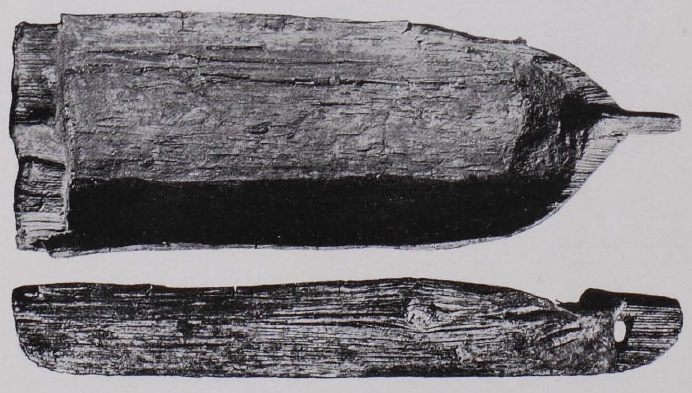
The mouth of the Hermastollen lies 150 m above the Saalach in the northern slope of the valley. The Hermastollen is an old Bronze Age dwelling that goes almost horizontally into the mountain 30-50 m from the mouth. Here, the fire-setting method was used, and timbers from the fire-setting were found. Parts of a bridge by means of which the miners worked at height, a water trough, 1.28 m long and a conveyor trough 84 cm long, which was used to pull ore, as well as other finds. The good preservation is due to the circumstances that the gallery was completely drowned.
1912
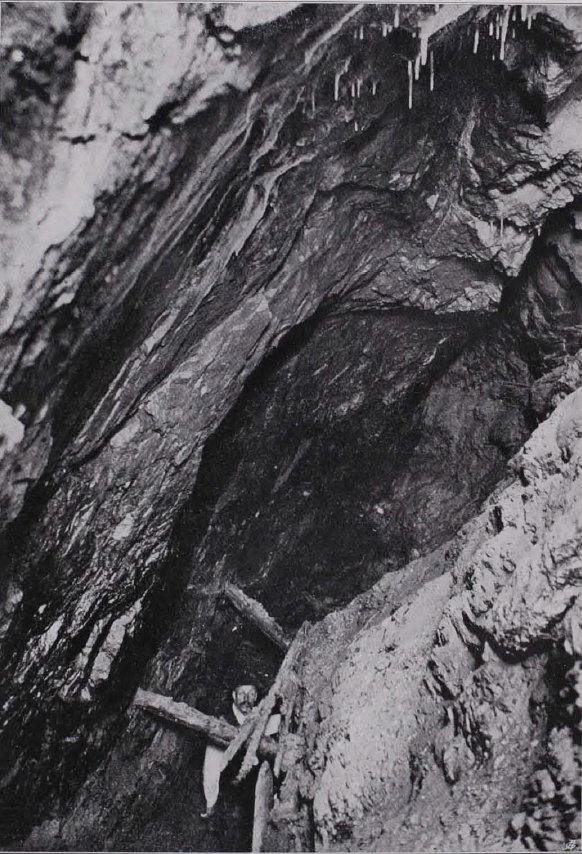
These finds in Viehhofen are among the most important evidence of mining in the Eastern Alps in the Bronze Age and testify to the supra-regional economic and cultural importance.
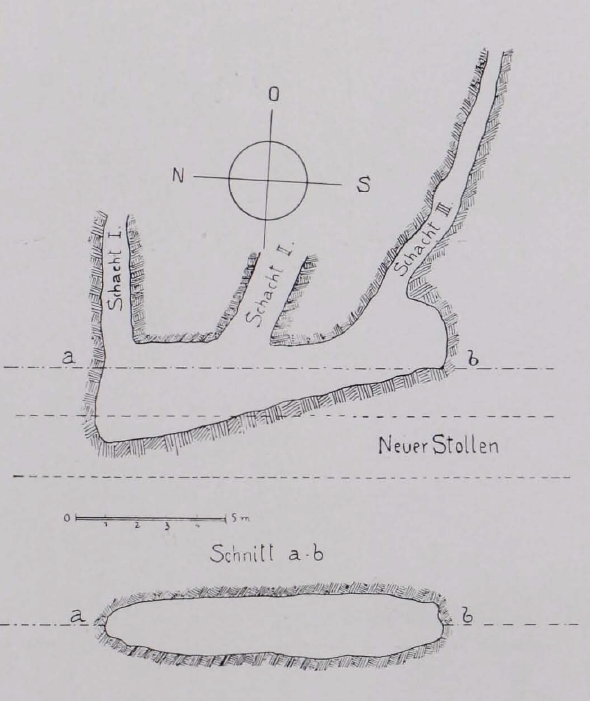
In 1912, G. Kyrle discovered, among other things, 3 air shafts leading to the Verhau. The northernmost and middle one were buried with rubble, but the southernmost one was completely free. This one is about 1 m wide. A 2 cm thick layer of soot and underneath small cracked rocks that can easily be broken away. But the number of shafts is no coincidence. The northern air intake was built first and then the tunnel went south. The inclined position meant that it was possible to fire the tunnel and work in it at the same time. This was followed in 1955 by extensive scientific investigations and mapping and surveying. Three bronze needles from the Urnfield period were picked up, which provided a first starting point for a chronological classification of the site. In addition, several inspections were undertaken, which revealed pottery fragments as well as various tapping and rubbing stones as clues that speak for prehistoric mining.
2015
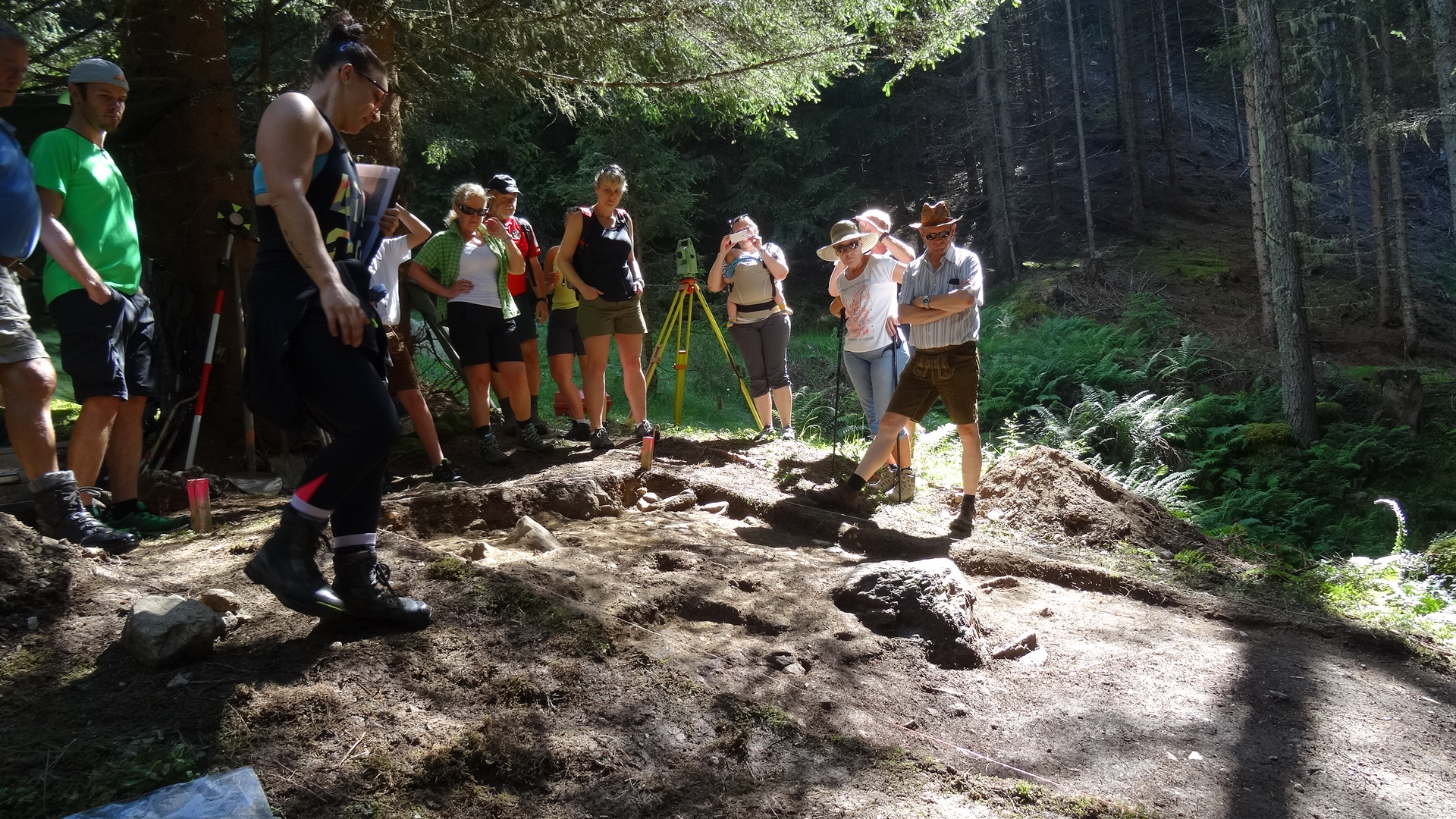
In 2015, the ISBE became interested and a geophysical survey and excavation was carried out the following year. Two areas were found to show an anomaly suggesting soil properties altered by heat. Divide heaps revealed by the measurements and later excavations again revealed bronze needles, ceramic fragments, friction plates, tapping stones and animal bone fragments.
The recovered artefacts can be seen today in the Haus der Natur in Salzburg, among other places.
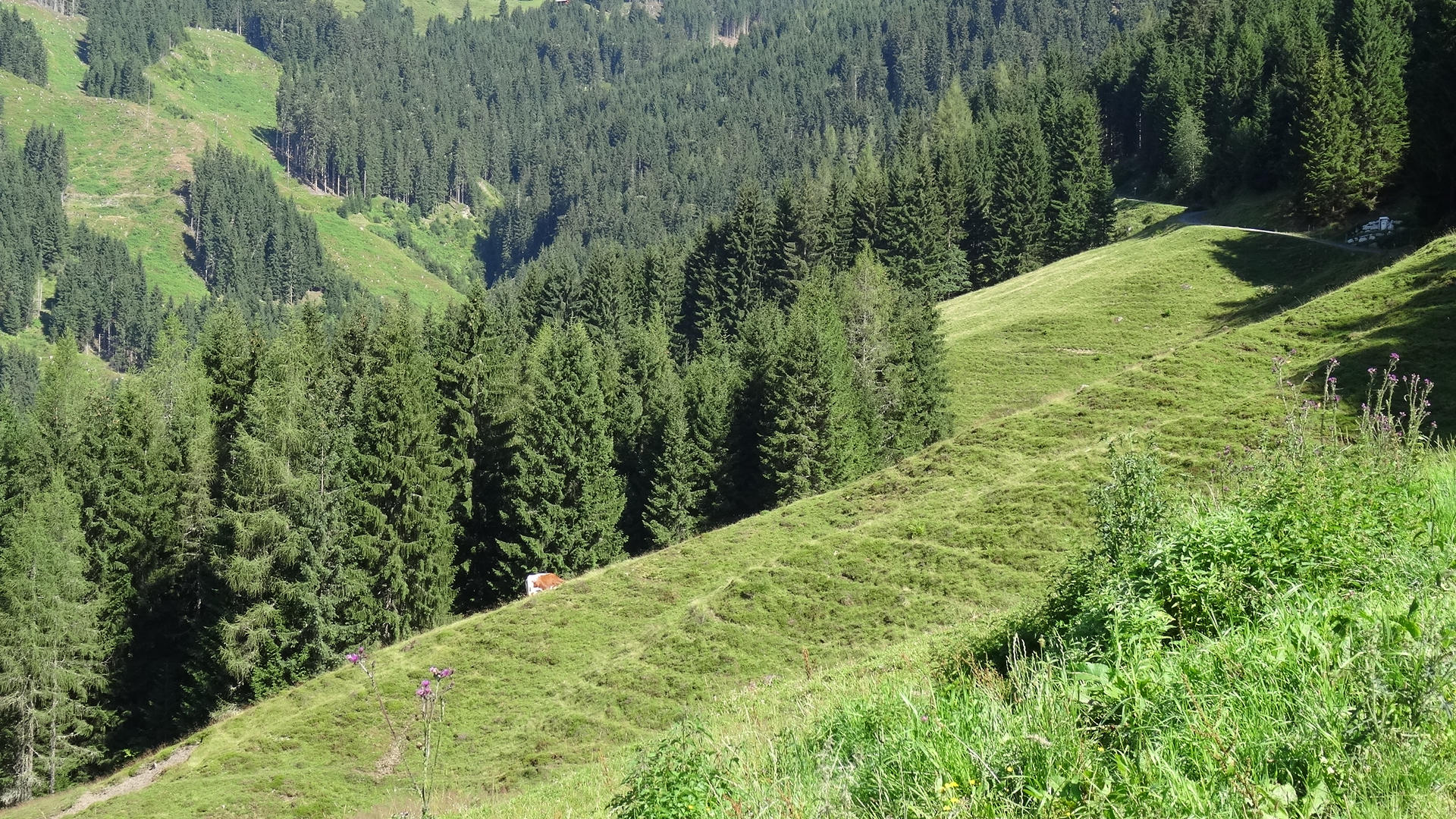
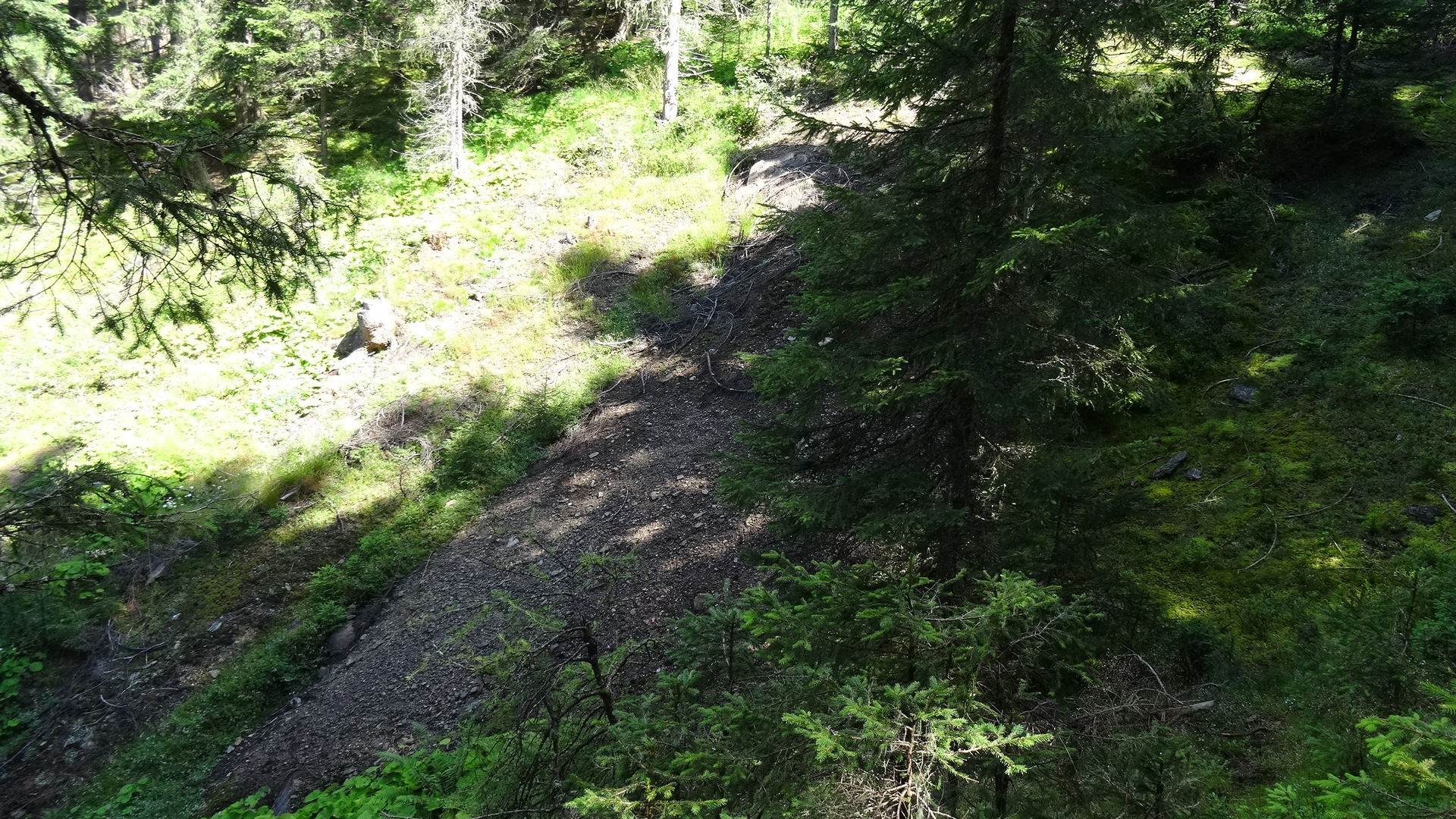
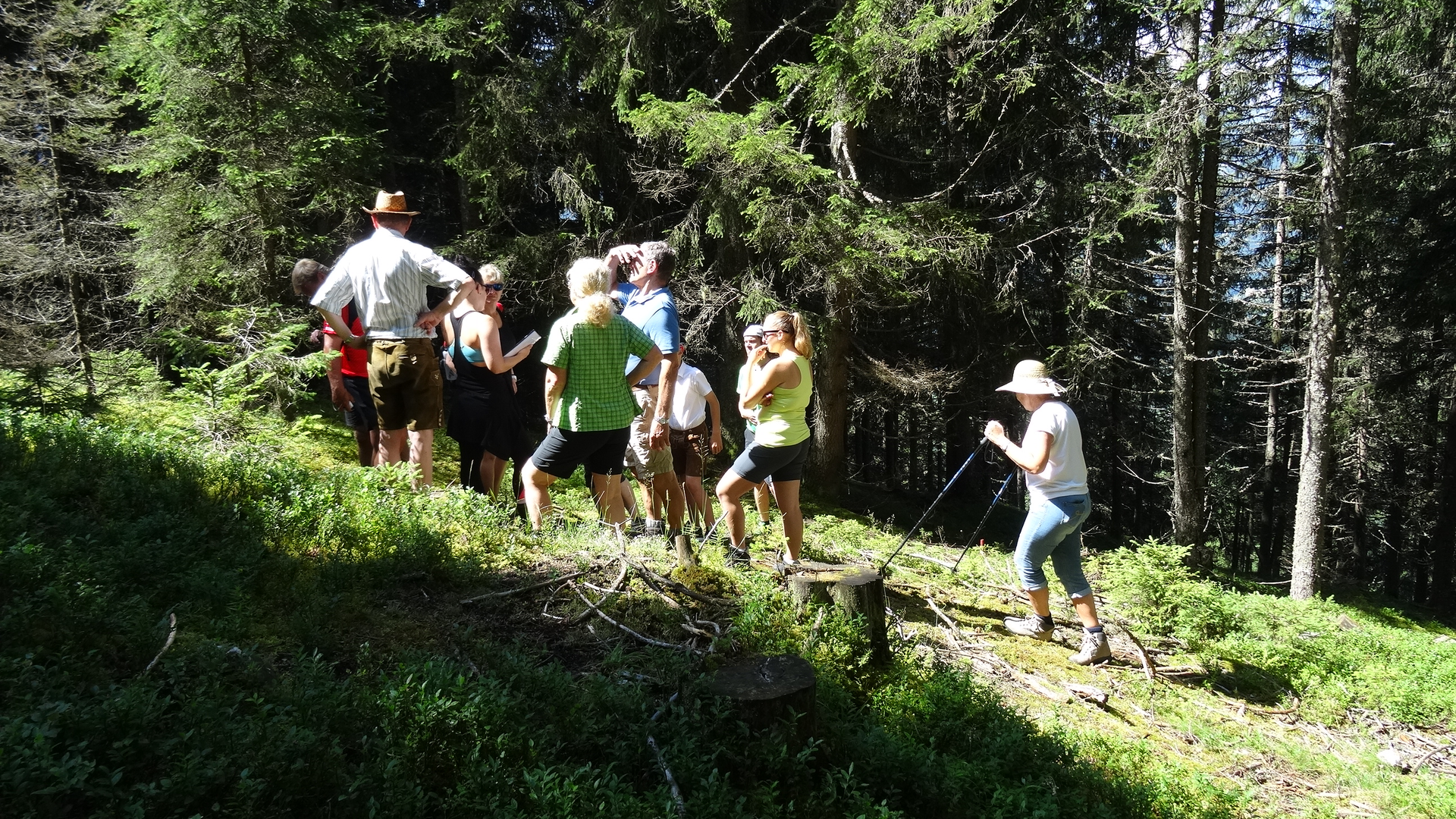
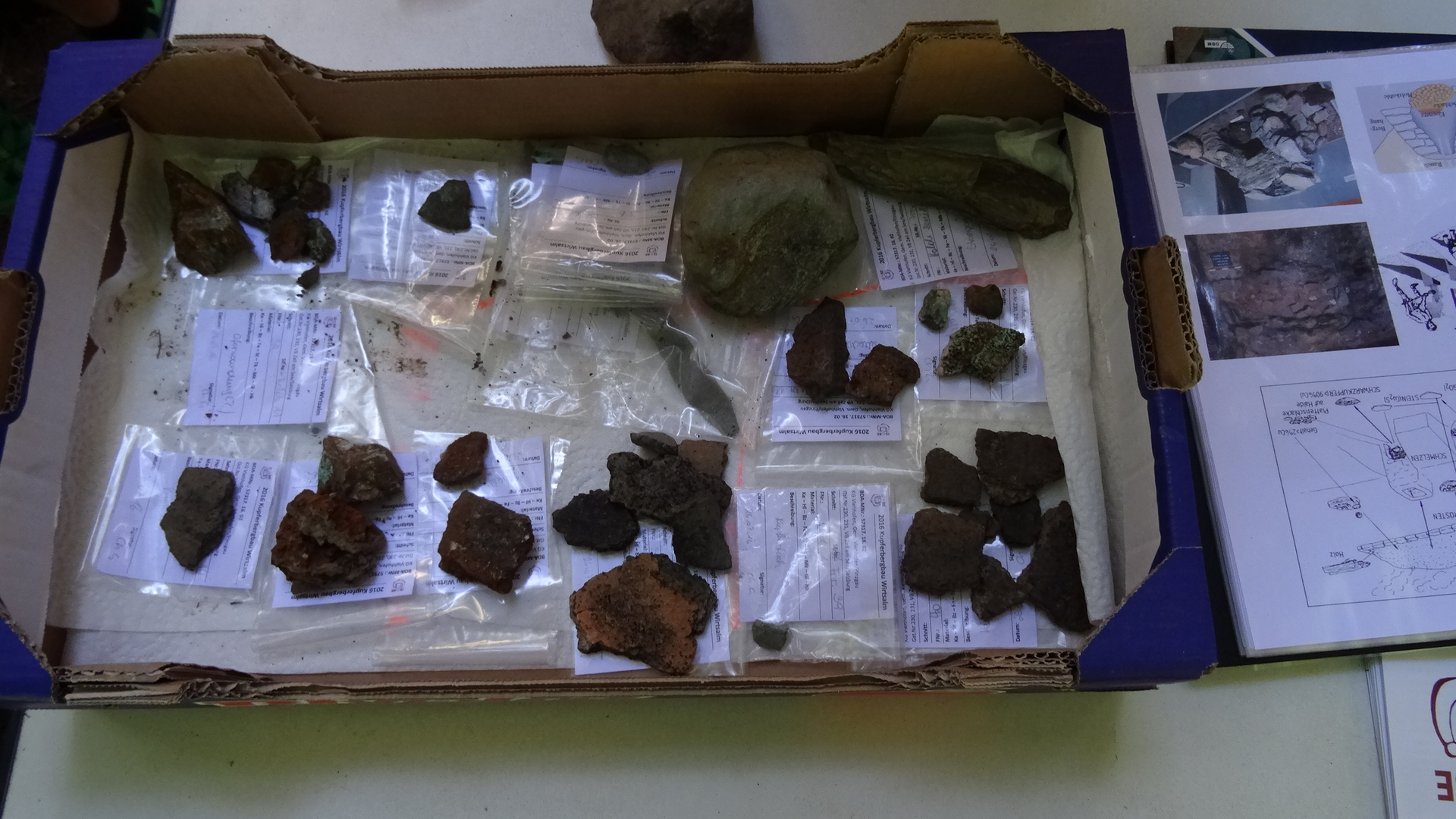
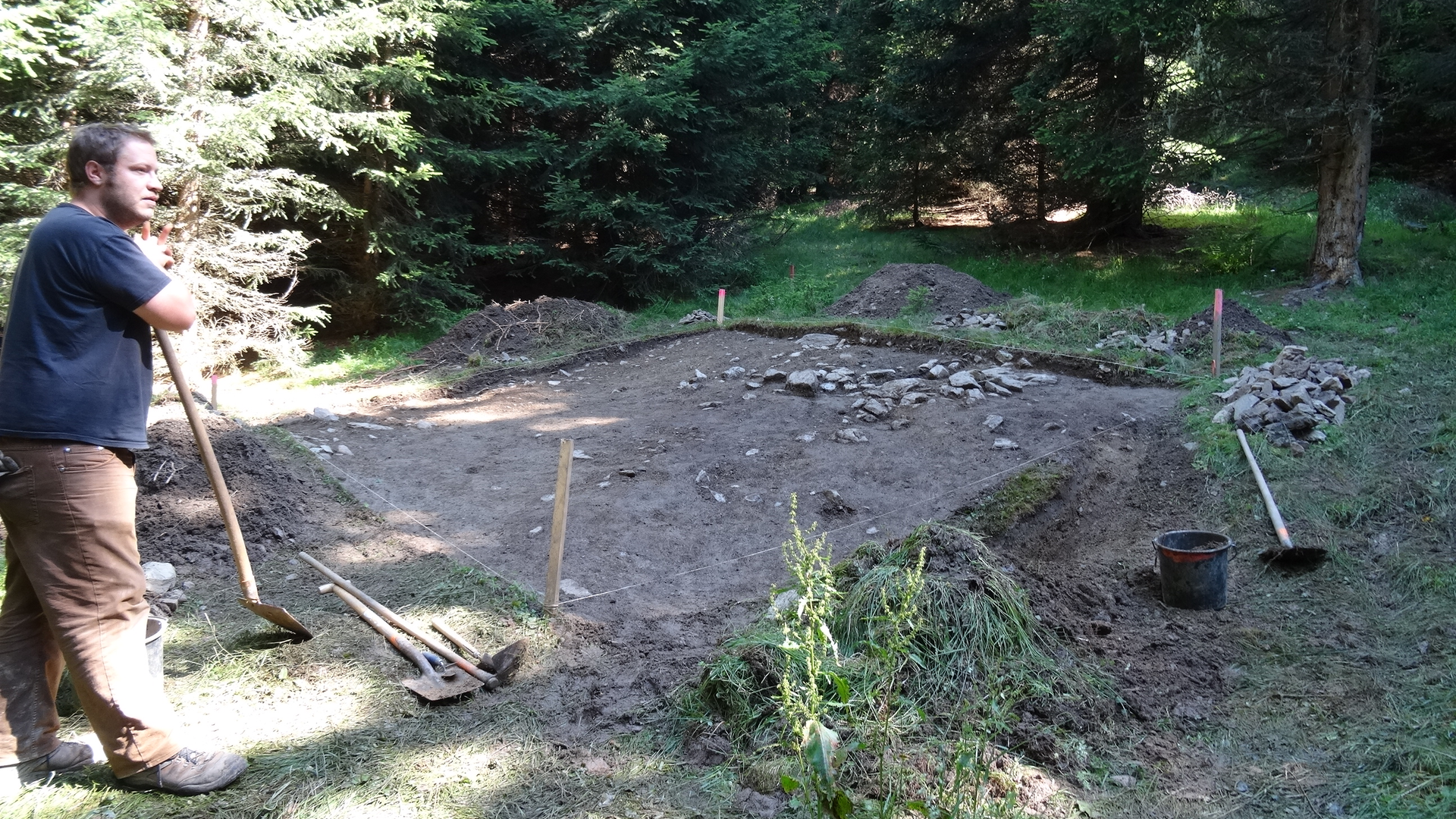
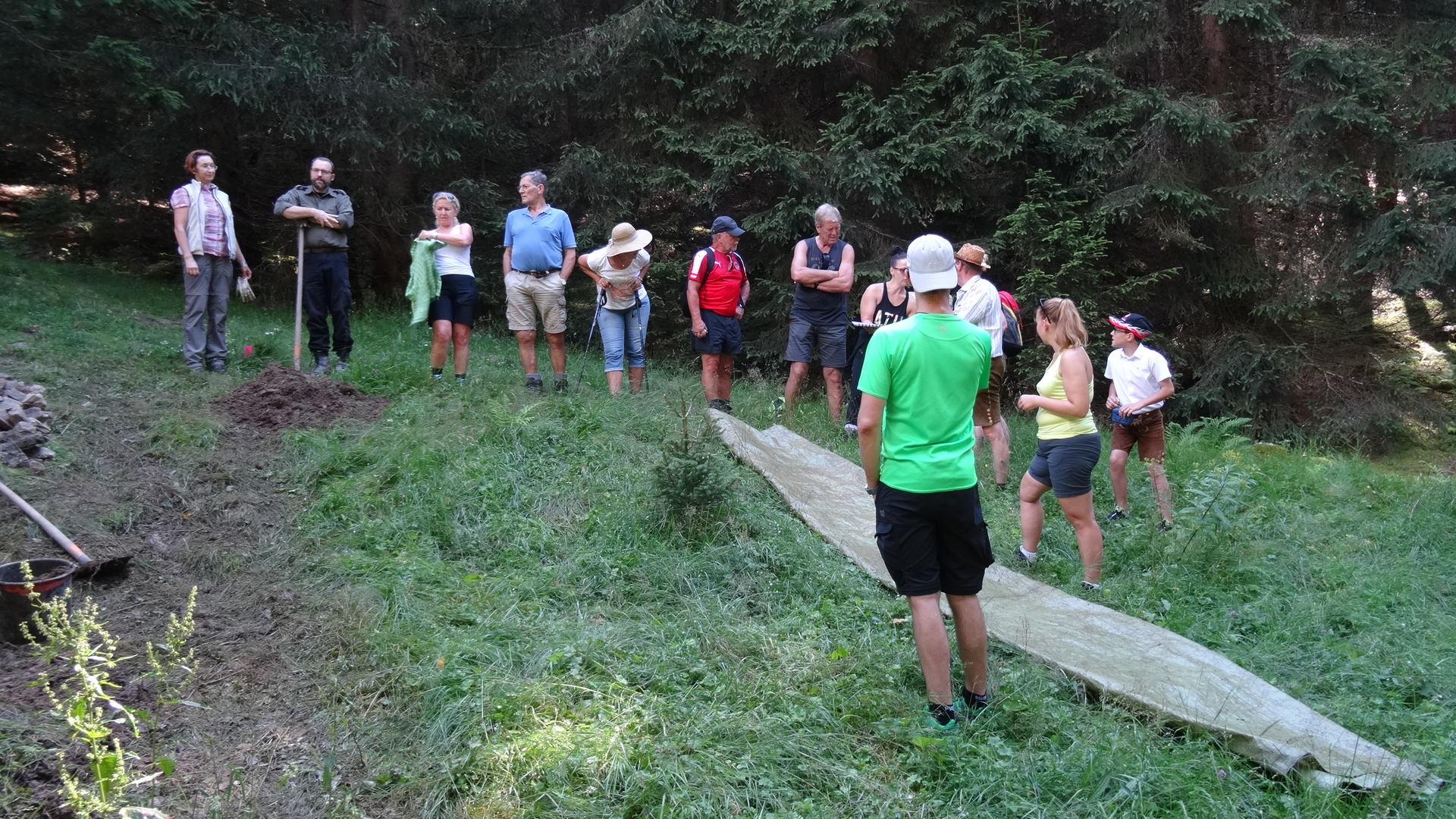
But the coveted chalcopyrite was not only mined in the Old Bronze Age, but also in the 16th and 17th centuries. In the years between 1910 and 1914, the experiments were resumed. In the Unterwirt, which had been washed away, there was still a chamber with mining tools until the end, and it was not for nothing that the farmers at Altenberg at that time were told in a saying "Altenberg sits on gold like a hen on an egg. It is a mountain rich in ore, but only copper, not gold" The name Altenberger is a common spelling name today. As far as the Pinzgau is concerned, it comes from the Altenberg estate in Viehhofen and originates from the mining of the ancients. Even though none of the mines are currently accessible, the results of the change can still be seen in the landscape today. The former cutting areas are still sparsely overgrown today and you can see the ground reddened by the heat.